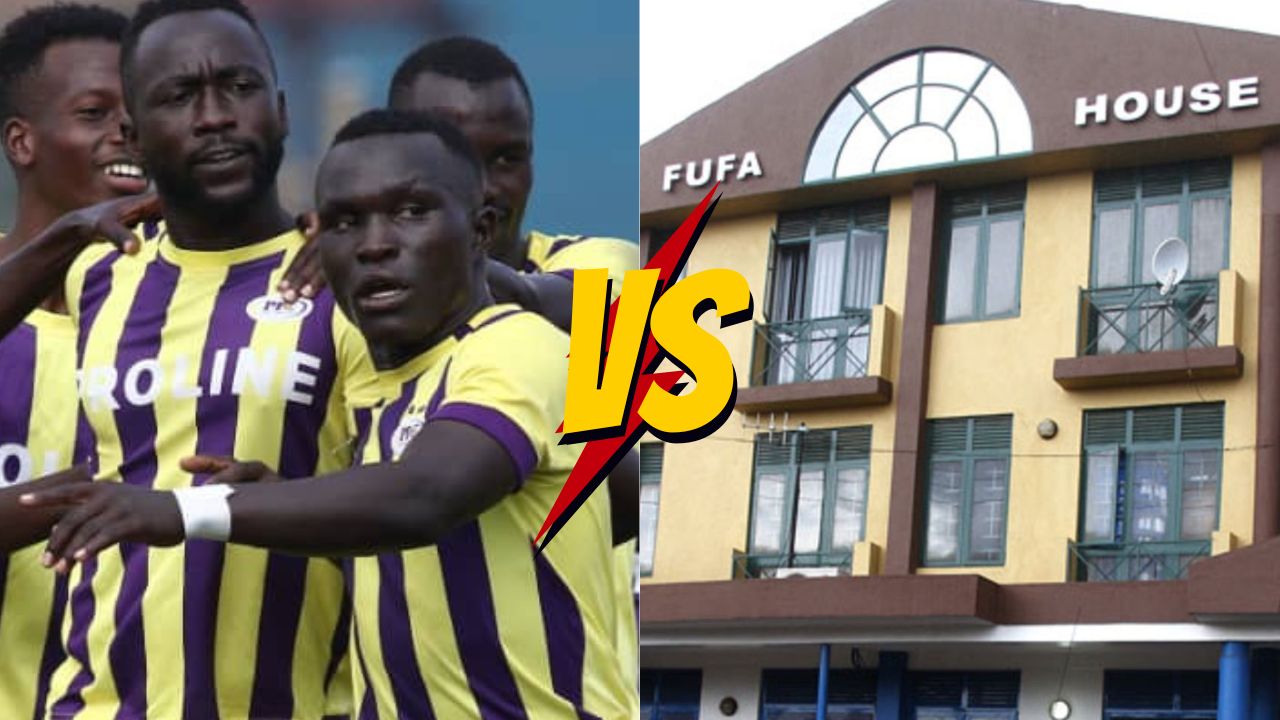
Image rights come to Uganda’s Sports Law at last: Proline V Fufa
In a seminal decision, a first-of-its-kind in the sports industry, Justice Stephen Mubiru in a well-reasoned and thorough judgment brought the hammer down on FUFA subjecting it UGX 570,6000,000 general damages and 6% interest thereon from the time of the filing of the suit in 2011 after he found them liable for infringing on the Image rights of nine former Cranes national team players that had been licensed to Pro-line Soccer Academy Limited
Pro-line contracted 9 former Uganda Cranes players as a licensee of their image rights and undertook what was termed as the “process of generating their images” which Court later interpreted as referring to photographs. The agreement was problematic in its drafting, but Court concluded that in its substance, an image licensing agreement had been made out. Armed with the players’ images, Pro-line then entered into a deal regarding the commercial exploitation of the said players’ images with Mtn in 2007 for a period of one year. However, after the expiry of the agreement, Pro-line noticed that MTN was still using the players’ images in its adverts and promotional activities.
Pro-line sued MTN. Mtn’s defense was that it had gotten the consent to use the player’s images through its sponsorship agreements in 2007 and 2010 with Fufa. Fufa was brought on board by Mtn for purposes of indemnity if Mtn was found liable for the infringement of the Image rights of the players.
Fufa failed to convince Court that it had obtained the players’ images with their consent. In his testimony, Fufa CEO Edgar Watson stated that as far as he could recall from his playing days, Image rights had always belonged to the Federation. That automatically when a player was summoned to the national team, they more or less gave up their Image rights to the national team. Court looked at the Fufa Statutes and discovered that they do not recognize players as members but rather their football clubs. This seems to be a re-current thing in many sports federations’ statutes.
Fufa also failed to demonstrate to court that it had obtained the consent of the players through their clubs which are the Fufa members which clubs also should have also concluded separate image rights agreements with the players. Fufa also came up short in showing court the evidence of an Image rights contract with the players directly. They did not have any. Justice Mubiru discouraged the practice of generally lumping up image rights with other employment obligations and labour rights in an employment contract as is common practice. Court emphazised that Image rights are personal.
The case also pronounces itself on a couple of other things like the tension between Copyright and Image rights when it comes to these Image rights cases. Lawyers many a time mix up the two causes of action in drafting claims and in this particular case, because Pro-line was more or less marketing the photographs of the players which makes them the copyright owners of those photographs, it had been argued by the opposite parties that Pro-line did not have licenses to the Image rights of the players but rather the copyright to the photographs of the players. If you recall the controversy between Nigerian footballer, Kelechi Iheanacho and a Nigerian photographer, Poja when Kelechi posted a picture of himself taken by Poja on his social media.
Justice Mubiru somewhat creatively settled the debate by stating that because Image rights are derived from the Constitution under the right to privacy as opposed to Copyright which has its own statute, Image rights prevail over Copyright.
Something else caught my attention Geoffrey Massa in his testimony stated he has always known that Image rights belong to the sponsor. The need for awareness among sportsmen cannot be overemphasized.
This case is a positive development and good for Sports law jurisprudence especially after the last Image rights case Onang & Others V Roofings failed.
There are major lessons and takeaways from this case for sportsmen, sponsors and sports federations from the need for the obtaining of proper consent, thorough drafting of contracts, awareness campaigns among players on their rights among others.
Ivan Ojakol


About Post Author